
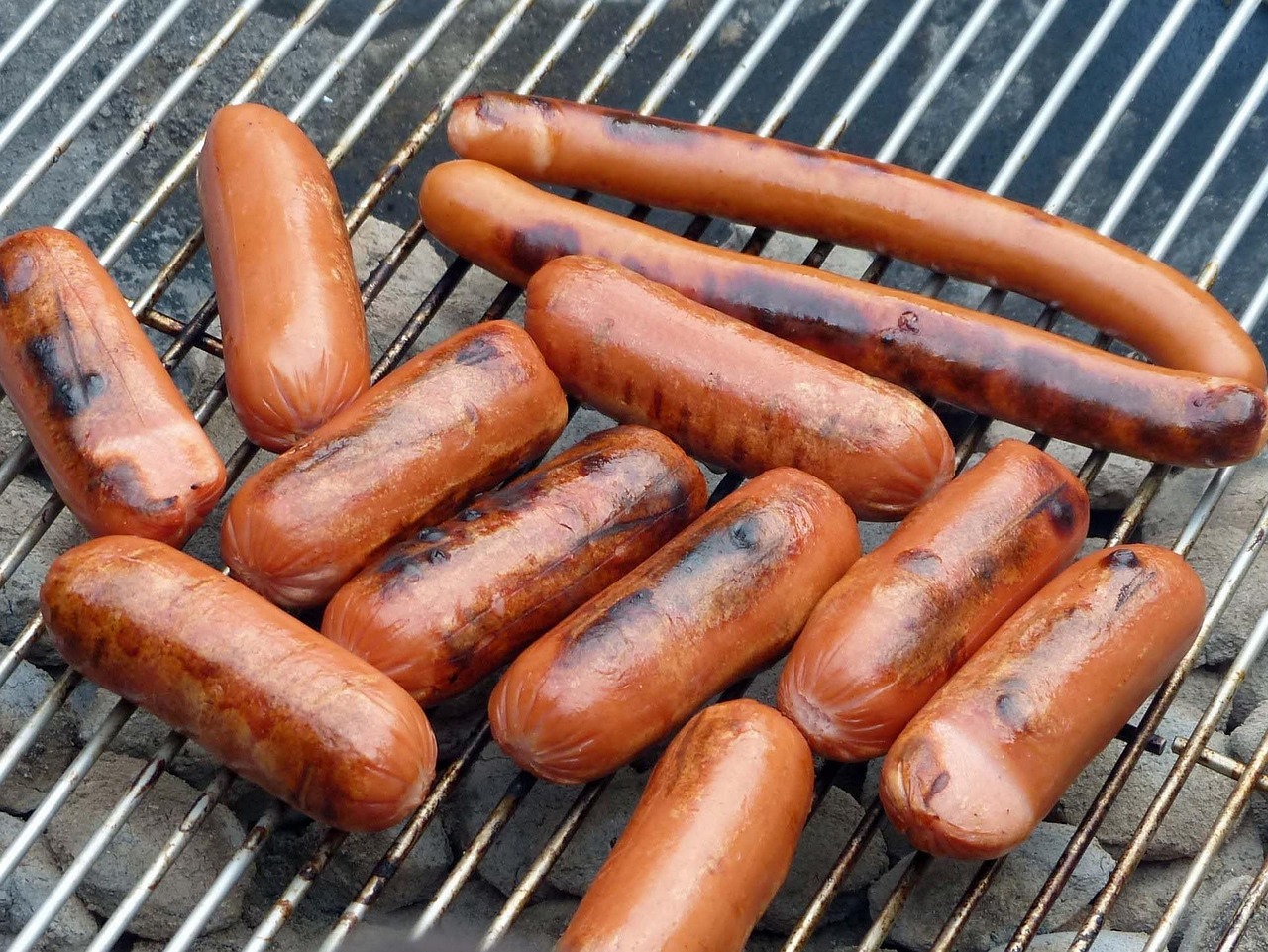
A few years back, I brought a ring of smoked kielbasa to a potluck and sliced it onto a board with some mustard and pickles. Nothing fancy. By the end of the night, three people had asked me where I bought it. Two of them had never cooked kielbasa before.
That’s kielbasa’s quiet strength. It doesn’t need a pitch. It just needs to show up. The problem most people run into is that “kielbasa” covers a lot of ground — smoked, fresh, pork, beef, turkey — and not all of them cook the same way or belong in the same dishes. Here’s how to tell them apart and actually use each one well.
What Kielbasa Actually Means (and Why There Are So Many Versions)
Kielbasa is the Polish word for sausage — literally, just sausage. In Poland, it refers to dozens of distinct regional varieties: some smoked, some fresh, some dried, some spiced with pepper, others leaning on marjoram and garlic. There is no single kielbasa. There’s a category.
What most Americans recognize as kielbasa is a specific style of Polish sausage — a thick, U-shaped smoked link made primarily from pork, seasoned with garlic, black pepper, and marjoram. That style came over with Polish immigrants in the late 1800s and early 1900s and took hold in working-class cities like Pittsburgh, Cleveland, and Chicago, where it became a grocery staple long before it became trendy.
From that foundation, American producers developed variations using different proteins — beef, turkey — while keeping the seasoning profile that makes kielbasa immediately recognizable.
One thing the label won’t always tell you: if a package says “Polish sausage,” it’s almost certainly the smoked, fully cooked version. If it says “fresh kielbasa,” it needs to be cooked through before eating. That distinction matters more than the brand.
Smoked Kielbasa – Already Cooked, Still Worth the Effort
Most smoked kielbasa in American grocery stores is fully cooked. You’re not bringing it to a safe internal temperature — you’re developing flavor and texture, which is a different task and a more forgiving one.
The mistake most people make is treating it too gently. Pale, soft kielbasa technically works but doesn’t taste like much. Get real heat on it — a dry cast iron pan, a hot grill, a sheet pan in a 400°F oven — and the casing tightens, the cut sides brown, and the garlic and smoke in the meat actually come forward. That’s the version worth eating.
Where smoked kielbasa earns its place:
- Sliced into coins, seared hard in cast iron, served with grain mustard and sauerkraut
- Grilled whole and scored, blistered casing, cut tableside
- Simmered into white bean soup or cabbage stew where it anchors the entire bowl
- On a charcuterie board next to summer sausage — the two work well together, with the kielbasa bringing garlic smokiness and the summer sausage adding a sharper, tangier contrast
Editor’s take: Cut the ring into coins rather than slicing it lengthwise. More surface area in the pan means more browning, and browning is where all the flavor development happens with a pre-cooked sausage. Lengthwise halves look impressive but don’t eat as well.
Turkey Kielbasa – The Swap That Actually Works
Turkey kielbasa gets positioned as the “healthier option,” which sets it up to sound like a letdown. It isn’t — but it does cook differently than pork kielbasa, and ignoring that is how you end up with dry, rubbery slices that make you wish you’d bought the original.
Turkey is leaner, which means it has less fat to protect the meat under high heat. Push it too hard in a dry pan and it dries out fast. The fix is simple: medium heat, a splash of broth or water in the pan, or use it in recipes where there’s already liquid involved. The seasoning profile is nearly identical to traditional Polish sausage, so the flavor is there — you just have to manage the heat.
Where turkey kielbasa shines:
- Pasta dishes with a tomato or cream sauce — it picks up the sauce flavor without adding grease to the pan
- Breakfast scrambles with eggs, peppers, and onions
- Slow-cooker soups where the long, gentle heat is naturally forgiving
- Grain bowls over rice or farro with a sharp mustard vinaigrette to offset the mild fat level
Editor’s take: Turkey kielbasa disappears into a well-seasoned dish in the best way. Drop it into a spicy tomato sauce, a heavily spiced soup, or anything with bold aromatics and most people won’t notice the swap from pork. Serve it simply on its own — grilled, plain — and the difference is more apparent. Match the use case to the product.
Beef Kielbasa – More Flavor, Less Compromise
Beef kielbasa keeps the same garlic-and-spice framework as traditional Polish sausage and swaps the pork for beef. The result is a meatier, slightly denser sausage with a flavor that sits somewhere between a good smoked sausage and a well-seasoned beef hot link. It’s not trying to imitate pork kielbasa — it’s its own thing.
For people who don’t eat pork — whether for dietary preference, religious reasons, or just taste — beef kielbasa is not a consolation prize. It’s a fully developed product that holds up in the same recipes without asking you to adjust much.
It also renders fat differently than pork. The pan drippings are cleaner and less greasy, which is genuinely useful when you’re building a sauce or deglazing for a braise.
Best uses for beef kielbasa:
- Slow-cooked stews where the beef flavor deepens over two-plus hours
- Tomato-based pasta sauces — brown it first, let the fond build, then deglaze
- Chili — sliced into rounds and browned before adding beans and tomatoes, it absorbs the spices and adds density that ground beef alone doesn’t
Editor’s take: Beef kielbasa in chili is an underused move. Brown the rounds first in a dry pot until they get some crust, then build your chili around them. By the time it’s done simmering, the sausage has absorbed the chili spices and the chili has absorbed the sausage fat. Everything tastes like it was meant to be together.
How to Buy It, Cook It, and Not Overthink It
Most kielbasa at a standard American grocery store is pre-cooked and smoked. That simplifies things considerably. You’re not worried about food safety timelines — you’re focused on flavor.
Quick guide by method:
- Cast iron skillet: medium heat, cut side down, don’t touch it for 3 to 4 minutes, flip once
- Grill: score the casing shallowly to prevent bursting, medium-high, turn every 2 to 3 minutes
- Sheet pan: 400°F with vegetables, 20 to 25 minutes, one pan, minimal cleanup
- Soup or stew: add in the last 20 to 30 minutes so it stays firm rather than turning soft and waterlogged
Kielbasa is one of those ingredients that rewards a little attention and forgives a lot of inattention. The spice blend is already built in. The smoking has already happened. Your job is mostly to add heat in the right way and not overcrowd the pan.
Keep a ring in the fridge. It’ll solve more weeknight dinner problems than you’d expect.