
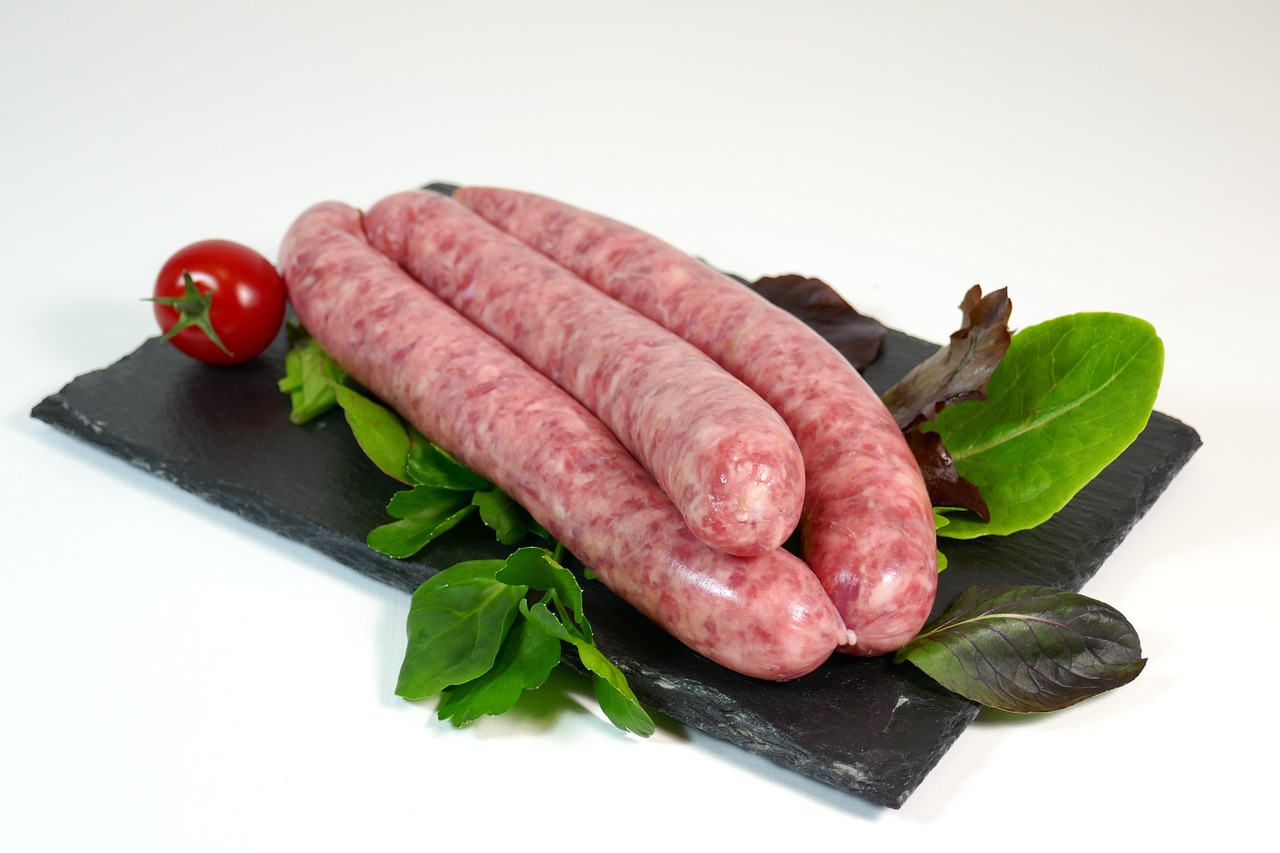
For a long time, I treated chicken sausage the way I treat decaf coffee — a fine enough substitute, but not the real thing. Then a busy Tuesday night, a near-empty fridge, and a pack of chicken apple sausage changed my opinion fast. Twenty minutes later I had a skillet dinner that was genuinely good, not “good for chicken sausage.”
That distinction matters. Chicken sausage isn’t a pale imitation of pork sausage — it’s a different product with different strengths. Understanding those strengths is what separates a dry, rubbery result from something you’d actually want to eat again.
Why Chicken Sausage Belongs in Your Regular Rotation
The nutrition numbers are real and worth stating plainly: a standard chicken sausage link runs 140 to 170 calories and 7 to 9 grams of fat. A comparable pork link is typically 250-plus calories and over 20 grams of fat. If you eat sausage three or four times a week, that gap adds up.
But the cooking argument is equally solid. Because chicken sausage is leaner, it doesn’t release a pool of grease into the pan. In dishes with a lot of other ingredients — pasta, sheet pan meals, soups — that means the sausage flavor comes through without drowning everything else in fat. Pork sausage makes itself the loudest thing in the room. Chicken sausage plays well with others.
It also comes in flavor combinations that pork sausage rarely touches: apple, spinach and feta, roasted red pepper, sun-dried tomato. The mild base makes those additions land cleanly instead of competing with a heavy meat flavor.
Editor’s take: The leanness that makes chicken sausage appealing is also the thing that punishes you for cooking it on too-high heat. Less fat means less protection against drying out. Medium heat, not high — every time.
Chicken Apple Sausage – The Best Entry Point into the Category
Chicken apple sausage works because the apple does something specific: its natural acidity and sugar balance the savory seasoning without tipping the sausage into sweet territory. Think of it the way a good apple cider vinegar brightens a braised dish — it’s not a flavor you taste and identify as apple, it’s the reason everything else tastes more alive.
It’s a reliable breakfast sausage — the sweetness pairs well with eggs and doesn’t sit heavy. But it moves easily into dinner:
- Skillet with sweet potatoes, shaved Brussels sprouts, and a splash of apple cider vinegar
- Grilled on a toasted roll with caramelized onions and stone-ground mustard
- Fall grain bowl with farro, roasted squash, and a cider vinaigrette
- Served alongside andouille sausage on a board — the apple’s sweetness against andouille’s smoke and heat creates a contrast that gives guests something to talk about
Editor’s take: The apple sugars in chicken apple sausage caramelize under direct heat in a way that plain chicken sausage doesn’t. Two to three minutes cut-side-down in a dry cast iron pan without touching it — that browning is worth more to the final flavor than any seasoning you could add.
Amylu Chicken Sausage – One Brand Worth Knowing by Name
Most grocery store chicken sausages are roughly interchangeable. Amylu chicken sausage is the exception most people land on once they start paying attention to ingredient lists.
Amylu uses antibiotic-free chicken with no artificial flavors or fillers. That’s becoming more common across the category, but what actually sets them apart is texture: their links stay firmer when reheated and don’t turn waterlogged in soups. That’s a quality-of-ingredients issue, and it shows up every time you reheat a portion.
Their flavor range is wider than most brands bother with:
- Spinach and feta: savory and clean, made for white bean soups and Mediterranean grain bowls
- Roasted red pepper and mozzarella: mild heat with a creamy finish, disappears nicely into pasta sauces
- Caramelized onion and gruyère: richer than the others, holds up in heartier winter dishes
- Chicken apple: their take on the classic, consistently well-balanced
All varieties are fully cooked, so you’re developing color and heat — not cooking from raw. On a weeknight, that means dinner in fifteen minutes without cutting corners on what’s actually in the food.
Editor’s take: The spinach and feta is the sleeper of the lineup. Slice it into white beans with chicken broth, lemon zest, and wilted kale and you have a complete, genuinely satisfying dinner in about twenty-five minutes. It tastes like it took longer. That’s the kind of recipe that ends up in permanent weeknight rotation.
Chicken and Apple Sausage – The One That’s Always in Stock for a Reason
Chicken and apple sausage — the labeling you’ll see at most major grocery chains — is the same product as chicken apple sausage. Different brands name it differently; the sausage is consistent. It’s stocked year-round because it sells steadily across every season, which is a reliable signal that it works across a range of uses without requiring a specific occasion.
It genuinely covers all meal slots:
- Breakfast: sliced into a skillet with eggs, diced potatoes, and bell peppers — fifteen minutes, one pan
- Lunch: cold on a sandwich with sharp cheddar and whole grain mustard
- Dinner: sheet pan at 400°F with root vegetables, olive oil, and a balsamic finish — twenty minutes
- Entertaining: sliced on a board with aged cheddar, fresh apple, and mustard — no explanation or recipe required
Editor’s take: Chicken and apple sausage has a slightly higher tolerance for overcooking than plain chicken sausage because the apple sugars give it some insurance. You still want to pull it at the right time, but if you’re a minute late, the recovery is better. Rest it two minutes before cutting — the texture stays cleaner.
How to Cook Chicken Sausage Without Drying It Out
The mistake almost everyone makes the first time: treating chicken sausage like pork — high heat, fast, and inattentive. Chicken has less fat to buffer against heat, so the margin for error is smaller. Here’s what actually works:
- Cast iron skillet: medium heat, small amount of neutral oil, 3 to 4 minutes per side — wait for it to release before flipping
- Grill: medium heat, turn every 2 to 3 minutes, pull fresh links at 165°F
- Sheet pan: 375 to 400°F for 18 to 22 minutes — lower and slightly longer than you’d run pork
- Soup or pasta: add pre-cooked sausage in the last five to eight minutes — it only needs to heat through
Keep a pack of chicken and apple sausage and one savory variety in the fridge. Between the two, you’ve got breakfast, lunch, and dinner covered for most of the week — and you didn’t have to plan any of it. That’s a better argument for chicken sausage than any nutrition label.