
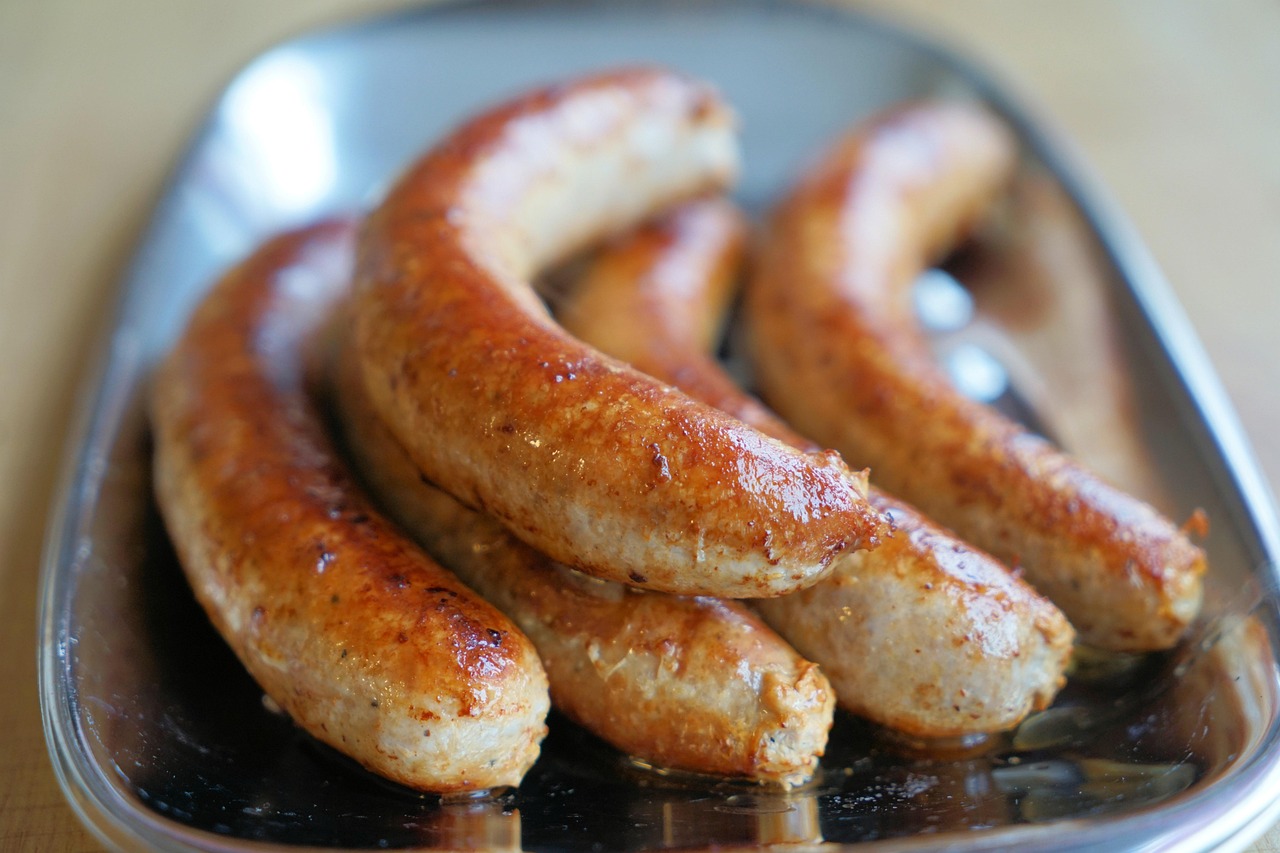
I have a rule about turkey sausage: don’t announce it. Make the pasta, serve the breakfast skillet, put the sheet pan on the table. Nine times out of ten, nobody asks. The one time someone does ask, they’re usually reaching for more before you finish answering.
The product has improved significantly over the last decade. The versions that used to taste like spiced cardboard have largely been replaced by varieties that earn their place on flavor alone, not just because they’re lighter than pork. What follows is a practical guide to the main types, how they actually differ, and where each one works best.
The Case for Turkey Sausage That Has Nothing to Do with Dieting
Yes, turkey sausage is leaner than pork — typically 30 to 40 percent less fat per serving. If you’re tracking that, it matters. But the more useful argument for cooking with it regularly is a practical one: turkey sausage doesn’t dominate a dish.
Pork sausage renders a lot of fat. That fat carries the sausage flavor into everything else in the pan — the vegetables, the sauce, the broth. Sometimes that’s exactly what you want. Other times you’re trying to build a balanced dish with other strong ingredients, and the pork takes over. Turkey sausage contributes its seasoning without that aggressive fat presence, which makes it easier to work with in lighter recipes, grain bowls, and vegetable-forward dishes.
The tradeoff is less margin for error on heat. Lean meat dries out faster. Medium heat, shorter cooking times, and not piercing the casing are all habits worth developing. None of it is complicated — it’s just a different set of instincts than you use with pork.
Editor’s take: Turkey sausage works best when the dish surrounding it has strong flavors — a spiced tomato sauce, a garlic-heavy broth, a well-seasoned skillet. Serve it plain next to a mild side and the lower fat is more noticeable. Design the meal around that reality and you won’t feel like you’re settling.
Breakfast Turkey – The Morning Version That Holds Its Own
Breakfast turkey sausage — patties, crumbles, or small links — is seasoned with sage, black pepper, and sometimes maple. That seasoning profile does a lot of the heavy lifting. When you taste classic breakfast sausage, you’re largely tasting sage. Turkey carries those spices just as well as pork does, which is why the swap in morning recipes tends to go unnoticed.
Where it fits:
- Crumbled directly into scrambled eggs so the sage and pepper season the eggs from inside the pan
- In a breakfast sandwich with a fried egg, sharp cheddar, and a toasted English muffin
- As the protein in a savory oat bowl or grain bowl with a soft-boiled egg and roasted vegetables
- Pre-cooked patties reheated in a skillet on weekday mornings when ten minutes is all you have
Editor’s take: Cook breakfast turkey crumbles in a dry cast iron pan and get them genuinely brown before you add anything else. The color adds flavor that compensates for what the lower fat doesn’t provide. Pale, just-cooked crumbles are noticeably blander than ones that spent an extra two minutes developing a crust.
Turkey Sausage Links – Read the Label Before You Cook
The most important thing to know about turkey sausage links is whether they’re fresh or fully cooked. It’s printed on the package and it changes everything about how you approach them.
Fully cooked links need heat and color — you’re not cooking through, you’re just developing the exterior. Medium heat, three to four minutes per side in a skillet or 12 to 14 minutes in an air fryer at 370°F. Fresh links need to reach 165°F internally, which means lower heat and more time. Push fresh turkey links over high heat and you’ll get a browned casing over an undercooked center, or a cooked center over a split casing.
What they work well for:
- Grilled and served in a bun with mustard and pickled red onions
- Sliced into rounds and added to a lentil or white bean soup in the last 20 minutes
- On a mixed grill alongside Italian sausage when you want to give guests a leaner option without running a separate cooking operation
- Sheet pan dinner with peppers, onions, and baby potatoes at 400°F for 20 to 25 minutes
Editor’s take: Don’t pierce the casing on turkey links before cooking. With pork sausage, piercing releases fat and prevents bursting. With turkey sausage, there’s far less fat to release — piercing just lets moisture escape and leaves you with a drier result. Keep the casing intact and let the heat do the work.
Turkey Italian Sausage – The Variety Where the Swap Is Least Noticeable
Turkey Italian sausage is the easiest version to cook with if you’re transitioning away from pork, and the reason is the seasoning. Fennel, garlic, red pepper flakes, and Italian herbs are assertive enough that they carry the dish even when the fat content drops. In a pasta sauce or a lasagna, those flavors infuse the whole recipe. The protein is almost incidental.
It comes in sweet and hot varieties, same as pork Italian sausage, and both work the same way in recipes. The hot version is particularly useful because the added heat compensates for any mildness from the leaner base.
Where it performs best:
- Crumbled into marinara and simmered for 20 to 25 minutes so the spices distribute into the sauce
- Layered into lasagna or baked ziti where cheese and sauce surround it on all sides
- Stirred into minestrone or white bean soup where it flavors the broth over a longer simmer
- Grilled as links with peppers and onions — the classic combination that works regardless of whether the sausage is pork or turkey
Editor’s take: If someone in your household is skeptical about turkey sausage, start with turkey Italian in a pasta sauce. The fennel and garlic are doing the flavor work, and most people can’t identify the difference from pork in that context. It’s the lowest-resistance entry point in this category.
Turkey Kielbasa – Smoke and Garlic Without the Weight
Turkey kielbasa applies the garlic-heavy, smoky seasoning of traditional Polish sausage to a turkey base. It’s sold fully cooked, so prep is straightforward — heat and color, not cooking through. On a busy weeknight, that means dinner is ready in under 20 minutes if you’re doing a simple skillet or sheet pan.
It renders less fat than pork kielbasa, which changes the skillet dynamic. In a sauté with onions and peppers, add a small amount of oil before the sausage goes in rather than expecting the fat to self-release. In soups and stews, the broth provides the moisture and the difference is barely detectable.
Where it works:
- Sheet pan with potatoes, bell peppers, and onions at 400°F for 22 to 25 minutes
- Sliced into cabbage soup or white bean stew in the final 20 minutes of cooking
- Grilled and served with whole grain mustard and sauerkraut
- Cut into coins and seared in cast iron until the flat sides get real color, then tossed into a grain bowl
Editor’s take: Turkey kielbasa in a slow-cooker white bean soup is one of the better set-it-and-forget-it meals in this category. The long simmer pulls the garlic and smoke out of the sausage and into the beans and broth. By the time it’s done, the whole pot tastes like the sausage was always part of it — not added in.
Which Turkey Sausage Should You Actually Stock?
The honest answer is two. One seasoned variety for embedded applications, one neutral or lightly seasoned link for grilling and slicing. Here’s a quick decision guide:
- Pasta, lasagna, pizza toppings: turkey Italian sausage, sweet or hot
- Morning meals: breakfast turkey patties or crumbles with sage seasoning
- Sheet pans, soups, and grilling: turkey sausage links or turkey kielbasa depending on the flavor direction
- Mixed crowd with varied preferences: turkey links alongside a pork option so people self-select without you running two separate meals
The version of turkey sausage that wins people over is always the one that’s been cooked correctly for the dish it’s in. Get that right and the “it’s turkey” conversation becomes an afterthought.