
There’s a moment that happens to most home cooks at some point: you’re standing in the meat aisle, you grab a package of chorizo on impulse, and then you get home and realize you have no idea which version you just bought — or what to do with it.
It happens because “chorizo” is less a single product and more a category. Spanish, Mexican, beef, soy — they share a name and a spice-forward identity, but they cook differently, taste different, and belong in different dishes. Get them mixed up and your paella becomes a crumbled mess. Get them right and you’ve got one of the most reliable flavor weapons in your kitchen.
Here’s what you actually need to know.
Spanish Chorizo – The One You Don’t Cook (Usually)
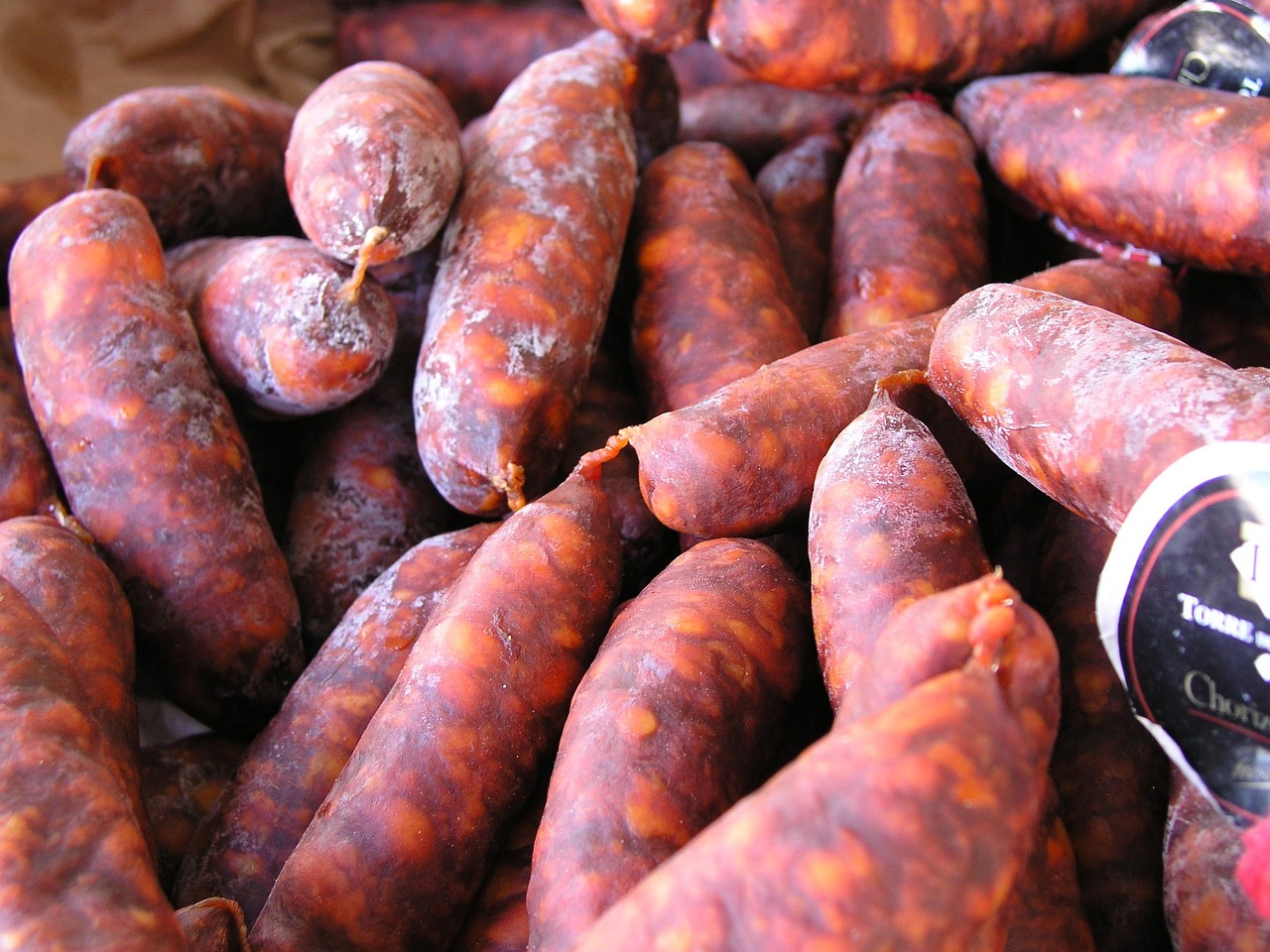
Spanish chorizo is cured, which means it’s already done most of its work before it hits your cutting board. Made with coarsely ground pork, smoked paprika (pimentón), and garlic, it’s firm enough to slice thin and eat straight from the package — think of it the way you’d think of a good salami.
It comes in two styles worth knowing:
- Picante: made with sharper, hotter paprika — more of a slow burn than a sharp kick
- Dulce: milder and sweeter, with the same smoky backbone
Sliced thin on a board with manchego and good bread, it doesn’t need anything else. Cooked into paella or a chickpea stew, it releases fat that carries the paprika into everything around it — that’s where the real magic happens.
Editor’s take: Spanish chorizo is genuinely underused as a cooking ingredient in American kitchens — most people buy it for charcuterie and stop there. A few slices sautéed with white wine and crusty bread to soak up the drippings is one of those ten-minute dishes that feels like you know something other people don’t.
Mexican Chorizo – Fresh, Spicy, and Made for the Skillet
Mexican chorizo is raw and needs to be cooked — full stop. It’s ground pork (or sometimes beef) mixed with dried chili peppers, vinegar, and spices. When it hits a hot pan, it crumbles apart, crisps at the edges, and fills the kitchen with a smell that makes people wander in from other rooms asking what’s cooking.
Think about a Saturday morning: you’re making breakfast for people who stayed over. You crumble a tube of Mexican chorizo into a cast iron skillet, let it get a little crispy, then scramble eggs right into the pan. Pile it into warm flour tortillas. Done. No one is asking for cereal after that.
Beyond breakfast, it works in:
- Tacos — with just diced onion, cilantro, and a squeeze of lime
- Queso fundido — stirred into melted cheese as a dip
- Baked into stuffed peppers or mixed through refried beans
Editor’s take: The vinegar in Mexican chorizo is what separates it from every other spiced sausage — it cuts through the fat and gives the whole dish brightness. If yours tastes flat, it’s usually because it didn’t get enough time in the pan to develop color.
Chorizo Sausage – What You’ll Find at Most Grocery Stores
At most American supermarkets, the label just says “chorizo sausage” — no country of origin, no style guide. Some brands are smoked links closer to the Spanish tradition. Others are fresh tubes that cook like Mexican-style. The packaging rarely makes it obvious.
The easy tell: if it’s firm and sliceable, treat it like Spanish chorizo. If it’s soft and squeezable, cook it like Mexican. Either way, it’s approachable and hard to ruin — grill it whole, crumble it into soups, stir it into pasta sauce. Chorizo sausage is where most people start, and there’s nothing wrong with that.
Editor’s take: Read the ingredient list before you buy. A good chorizo sausage should list pork, paprika, and garlic near the top — if you’re seeing a lot of fillers and sodium before the actual spices, you’re probably looking at something that’ll taste like a hot dog with ambitions.
Beef Chorizo – Richer, Leaner, Worth Trying
Beef chorizo follows the same spice formula as its pork counterpart — same chili base, same garlic and vinegar — but the flavor skews meatier and a little more robust. It also renders less fat when cooked, which makes it a natural fit for dishes where you don’t want grease pooling at the bottom.
It holds up especially well in pasta sauces, grain bowls, and casseroles — places where pork chorizo might leave you with more oil than you bargained for. And for anyone not eating pork for dietary or religious reasons, beef chorizo means you’re not missing out on the experience. It’s not a consolation prize; it’s just a different cut of the same idea.
Editor’s take: Try beef chorizo in a simple tomato-based pasta sauce — brown it first, build the sauce around it, and don’t drain all the fat. That rendered beef-and-spice drippings is where your sauce gets its character.
Soy Chorizo – Better Than You’re Expecting
Let’s be honest: plant-based sausage substitutes have a credibility problem. Most of them taste like ambition and disappointment. Soy chorizo is the exception, and it’s worth understanding why.
The reason it works is the same reason Mexican chorizo works: the spices carry the dish. Soy chorizo uses seasoned soy protein to mimic the crumbly texture, then loads it with the same chili-and-spice blend. Since it’s pre-cooked, you just heat it and go — which actually makes it faster than most meat options.
Use it anywhere you’d use Mexican chorizo: breakfast burritos, tacos, rice and beans, or stuffed into roasted poblanos. Serve it to a mixed crowd without announcing it’s plant-based and see what happens. Most people won’t notice until you tell them.
Editor’s take: Soy chorizo benefits from a hot pan and a few extra minutes of cook time — let it get slightly crispy and it’ll have better texture than if you just warm it through. The one downside: it can get watery if you crowd the pan, so give it space.
So Which One Should You Actually Buy?
It depends on what you’re making — but here’s a shortcut:
- Charcuterie board, paella, or tapas → Spanish chorizo
- Tacos, eggs, queso, or anything skillet-based → Mexican chorizo
- Pasta, casseroles, or pork-free cooking → beef chorizo
- Vegetarian meals or feeding a mixed crowd → soy chorizo
Chorizo doesn’t demand much from you. The spices are already built in. The fat does the work. All you have to do is match the right type to the right dish — and not confuse the cured one with the raw one.
Unlike bratwurst, which is a one-trick pony (a great one, to be fair), chorizo in its various forms can take you from a Spanish tapas spread to a Mexican street taco to a plant-based weeknight dinner without changing your spice rack. That kind of range is rare. It’s worth having at least one version in your fridge at all times.